Choosing window colours is one of those decisions that can either elevate your home’s appearance or quietly undermine it. Get it right, and your windows enhance the architectural character beautifully. Get it wrong, and even the finest aluminium systems can look out of place.
At Direct Trade Windows, we help homeowners navigate this crucial design choice. Here’s how to match window colours to your home’s architectural style.
Understanding Your Home’s Architectural DNA
Before choosing window colours, identify your property’s architectural style. Each period has conventions that, while not absolute rules, provide helpful starting points. Consequently, understanding these traditions helps you make informed decisions about whether to honour them or deliberately contrast.
Georgian and Victorian Homes: Heritage Elegance
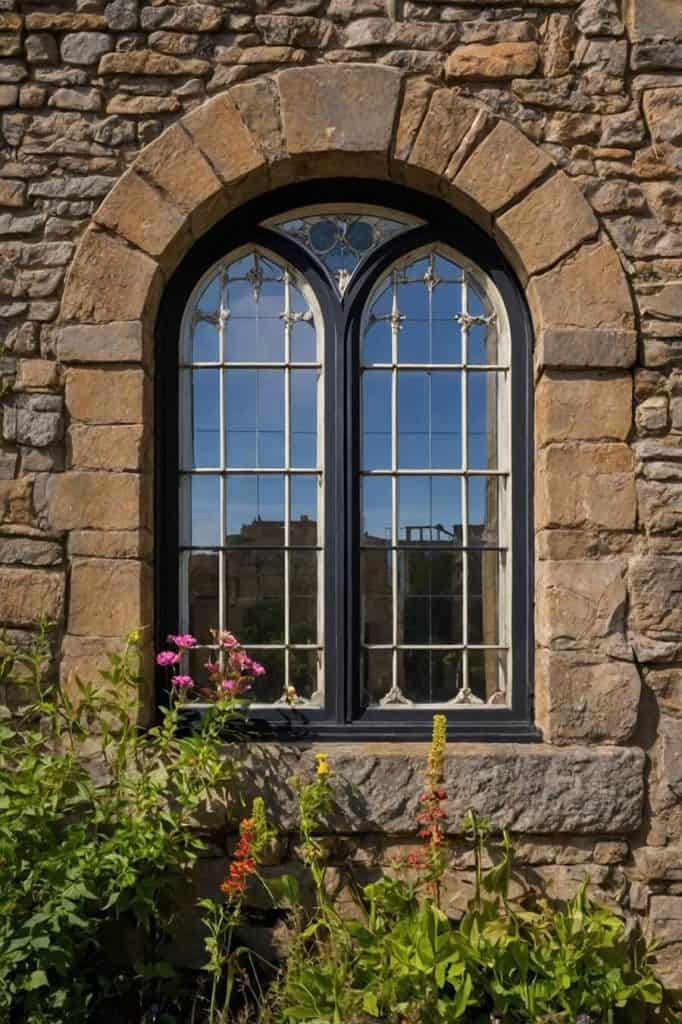
Period properties typically featured painted timber windows in specific colours. White was common, but so were dark greens, deep reds, and sophisticated greys. Modern aluminium systems can replicate these heritage shades authentically through powder coating.
For Georgian properties, consider cream, off-white, or soft grey to honour the period aesthetic. Victorian homes can accommodate slightly bolder choices�dark green, burgundy, or classic black all work beautifully. Furthermore, Direct Trade Windows offers woodgrain-effect finishes that capture traditional character while delivering modern performance.
The key is avoiding colours that feel anachronistic. Bright white, while popular, can sometimes feel too stark against weathered period brickwork. Instead, softer tones like cream or light grey often integrate more naturally.
Edwardian and 1930s Properties: Refined Transitions
Edwardian homes bridge Victorian ornamentation and emerging modernism. They suit white, cream, and soft greys particularly well, maintaining elegance without heaviness. Additionally, black can work in more urban Edwardian terraces where contrast creates sophistication.
1930s properties with their Art Deco influences handle both traditional and contemporary colours. Black frames are increasingly popular choices here, creating definition while respecting the period’s geometric aesthetic. Alternatively, white or cream maintains a lighter, more traditional feel.
Post-War and Mid-Century: Clean Modernism
Properties from the 1950s-1970s were built during a period embracing clean lines and functional design. These homes naturally accommodate contemporary colour choices. Anthracite grey, black, or even bronze complement their modernist roots, while white maintains the period’s appreciation for simplicity.
Consequently, these properties offer more flexibility when choosing window colours, allowing homeowners to lean either traditional or contemporary based on personal preference.
Contemporary and New Builds: Bold Possibilities
Modern architecture thrives on clean lines and striking contrasts. Matt black has become the defining choice for contemporary homes, creating dramatic definition against render, brick, or timber cladding. Similarly, anthracite grey offers a slightly softer alternative that’s equally sophisticated.
However, don’t overlook bronze, dark blue, or even dark green for contemporary properties. These colours add personality while maintaining the refined aesthetic modern design demands. Furthermore, Direct Trade Windows’ powder-coated finishes deliver the flawless, uniform appearance contemporary architecture requires.
Practical Considerations Beyond Style
Climate and Sun Exposure
Dark colours absorb more heat, which can be beneficial in cooler climates but may cause expansion issues in south-facing installations. Lighter colours reflect heat, maintaining more stable temperatures. Therefore, consider orientation when choosing window colours for optimal performance.
Surrounding Context
Look beyond your property to neighbouring homes. While you needn’t match exactly, wildly different choices can feel jarring. Instead, complementary colours that acknowledge the streetscape while expressing individuality often work best.
Long-Term Appeal
Trends change, but your windows will last decades. Consequently, classic choices like black, white, grey, and heritage greens tend to remain appealing longer than trendy alternatives. That said, if a particular colour genuinely suits your home’s architecture, trust that instinct.
Dual-Colour Options
Modern aluminium windows offer dual-colour finishes (different colours inside and outside). This allows you to honour external architectural conventions while coordinating interiors with your d�cor. For instance, heritage green outside with white inside bridges tradition and contemporary interior design.
Colour Combinations to Consider
For Period Properties:
- Cream or off-white for Georgian elegance
- Dark green or black for Victorian character
- Soft grey for Edwardian refinement
For Modern Homes:
- Matt black for bold contemporary statements
- Anthracite grey for sophisticated minimalism
- Bronze for distinctive modern warmth
Making Your Decision
When choosing window colours, view samples in natural light against your actual brickwork or cladding. Colours appear dramatically different in varying light conditions, so this step is essential. Moreover, Direct Trade Windows provides samples to help you visualize the final result confidently.
The right window colour doesn’t just complement your home. it completes it.


