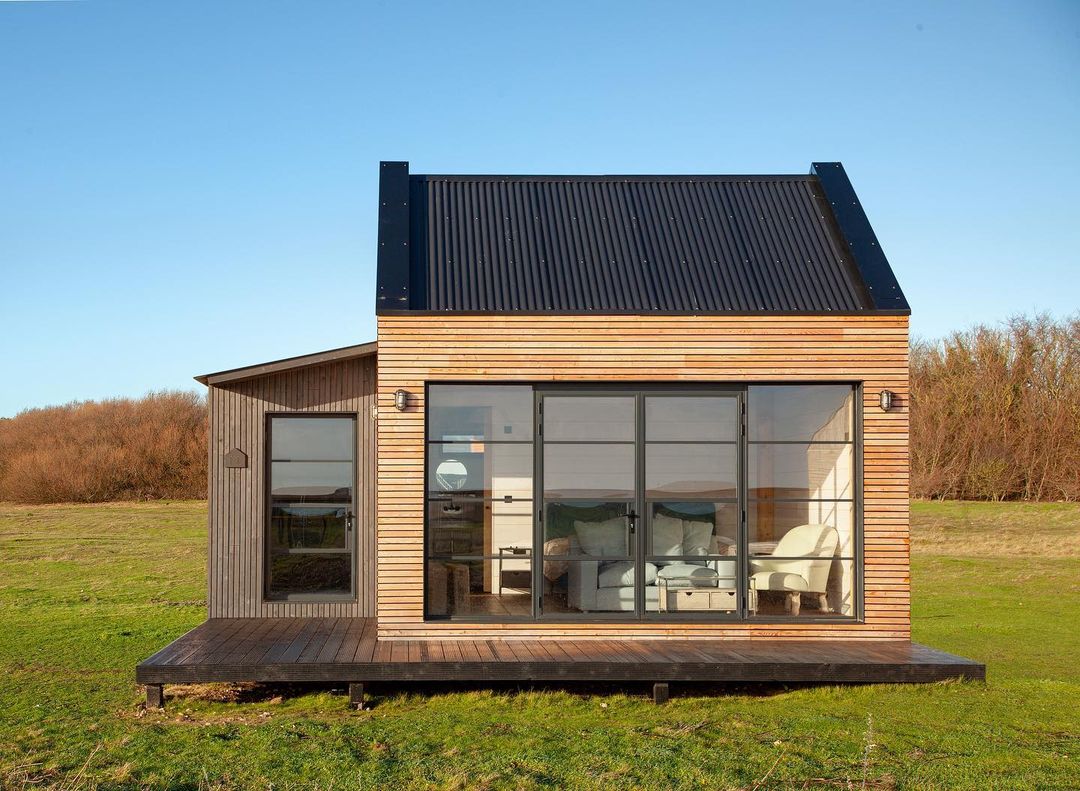
 Aluminium Sliding Doors
 Aluminium Sliding Pocket Doors
 Aluminium Bifold Doors
 Aluminium Front Entrance Doors
 Aluminium Pivot Entrance Doors
 Commercial Aluminium Shop Fronts
 Steel Look Aluminium Doors
 Steel Look Bifold Doors
 Steel Look Internal Doors And Screens
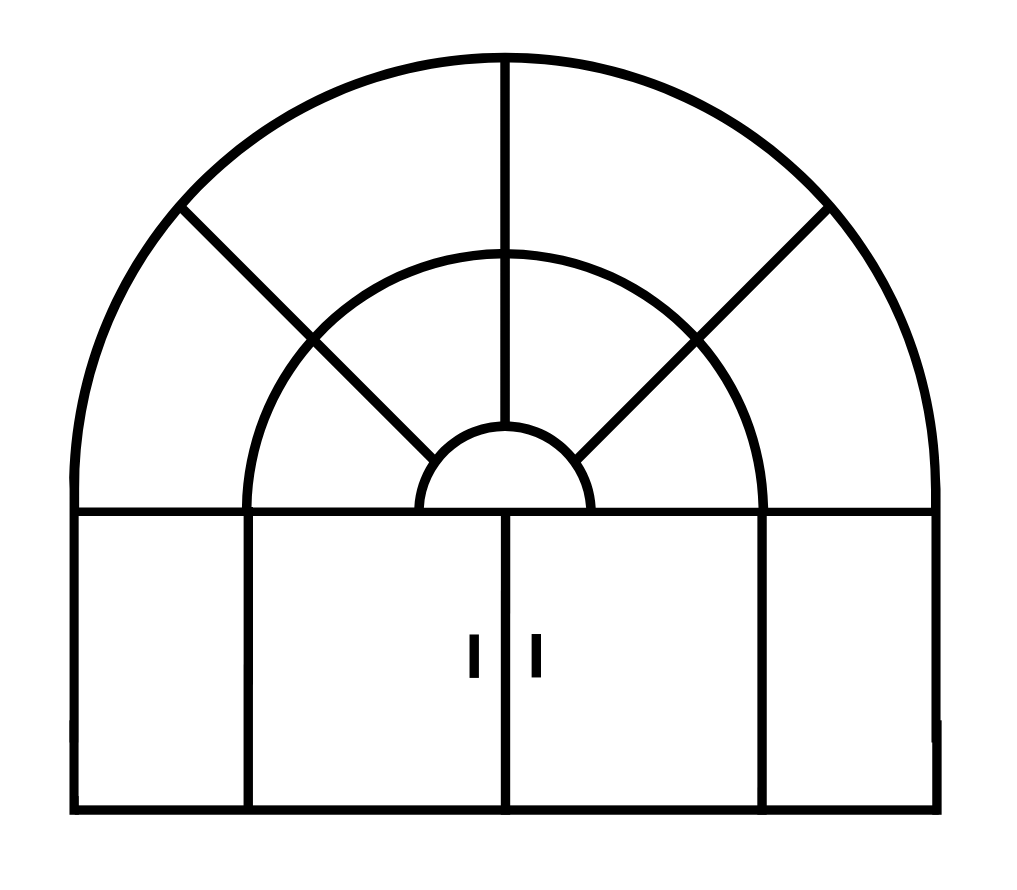 Steel Look Arched Doors
 Bespoke Aluminium Windows
 Aluminium Vertical Sliding Sash Windows
 Aluminium Casement Windows
 Aluminium Tilt & Turn Windows
 Steel Look Windows
 Passivhaus Windows
 Curved Windows
 Arched Windows
 Structural Glass Box Extensions
 Roof Lanterns
 Flat Roof Windows
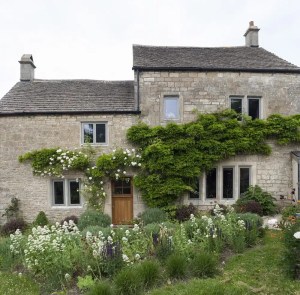 Your heating is on full blast, yet your home never feels truly warm. You’re constantly reaching for jumpers, and your energy bills climb relentlessly. Before blaming your boiler or insulation, look at your windows. They’re often the silent culprit stealing heat and comfort from your home.
At Direct Trade Windows, we’ve seen countless homes transformed from perpetually chilly to comfortably warm simply by addressing window performance. Here’s why your house is cold and how windows play the starring role.
The Heat Loss Nobody Sees
Windows account for up to 25% of heat loss in typical homes. Consequently, even the most efficient boiler can’t compensate for windows that continuously bleed warmth to the outside. Old single-glazed windows are obvious offenders, but even older double glazing loses effectiveness over time as seals fail and gas fills escape.
Moreover, the problem compounds. As warm air contacts cold window surfaces, it cools, drops, and creates drafts that circulate cold air around rooms. Therefore, you’re not just losing heat through the glass, your windows are actively chilling your living spaces.
Failed Seals: The Invisible Energy Drain
That condensation or fogging between glass panes signals a critical problem. The sealed unit has failed, meaning the insulating air or gas gap no longer exists. Furthermore, worn weather seals around opening windows allow cold air infiltration, creating drafts that make rooms feel significantly colder than the thermostat suggests.
These failures don’t announce themselves dramatically, they creep up gradually. Consequently, homeowners adapt to declining comfort without realizing their windows have degraded from adequate to actively problematic.
The U-Value Problem
U-values measure how well windows retain heat. Lower numbers mean better insulation. Single glazing typically scores 5.0 W/m²K or worse, essentially offering minimal thermal resistance. Older double glazing might achieve 3.0 W/m²K, which feels acceptable until you understand modern aluminium windows from manufacturers like Cortizo or Alitherm achieve 1.0-1.4 W/m²K.
That difference isn’t marginal. It’s transformative. Modern systems lose a fraction of the heat older windows haemorrhage continuously. Therefore, upgrading windows doesn’t just improve comfort slightly; it fundamentally changes how your home retains warmth.
Cold Spots and Thermal Bridging
Notice how certain areas near windows always feel colder? That’s thermal bridging where cold transfers through the window frame itself. Older aluminium windows without thermal breaks conduct cold directly into your home. Moreover, this creates uncomfortable zones where you instinctively avoid sitting despite having furniture positioned there.
Modern thermally broken aluminium windows incorporate polyamide barriers within frames, preventing cold transfer. Consequently, areas near windows feel as comfortable as the rest of the room, making your entire space usable rather than avoiding cold zones.
Signs Your Windows Are the Problem
Cold House Warning Signs:
- Condensation between window panes indicating seal failure
- Visible drafts or cold air near closed windows
- Ice forming on interior window surfaces
- Constantly adjusting heating without achieving comfort
- Cold spots near windows even with heating on
- Rising energy bills despite consistent usage
- Windows that feel cold to touch from inside
The Solution: Modern Thermal Performance
Replacing failing windows with modern aluminium casement windows, tilt and turn systems, or bifold doors transforms home comfort. Advanced thermal breaks, quality weather seals, and low U-value glazing stop heat loss at the source. Furthermore, consistent internal temperatures mean heating systems work efficiently rather than fighting constant heat drain.
The investment typically recovers through reduced energy bills within 7-10 years, while immediate comfort improvements make homes genuinely enjoyable rather than tolerable
Stop fighting your windows. Replace them with systems designed to keep warmth where it belongs.