
Stand across the street from any home you admire, and you’ll likely notice something: balanced, thoughtfully placed windows that create visual harmony. Window placement for curb appeal isn’t accidental. It follows principles of proportion and symmetry that have shaped attractive architecture for centuries.
At Direct Trade Windows, we help homeowners enhance their property’s exterior appeal through smart window design. Here’s how to get it right.
The Power of Symmetry
Symmetrical window placement creates an inherent sense of order and elegance. When windows mirror each other across a central axis (typically your front door) the eye naturally finds balance and harmony. Consequently, even modest homes gain architectural presence through symmetrical design.
This doesn’t mean every window must be identical, but rather that their visual weight should balance. Two smaller windows on one side can balance one larger window on the other if proportions are considered carefully.
The Central Axis Principle
Start by identifying your home’s central vertical line, usually marked by the front entrance. Windows should then relate to this axis symmetrically. For instance, if you have two windows left of the door, mirror them on the right at equal distances. Furthermore, keeping window heads at consistent heights reinforces the balanced appearance.
This principle applies whether you’re designing a new build, planning an extension, or replacing existing windows. Moreover, maintaining this balance when upgrading to modern aluminium systems like those from Direct Trade Windows ensures contemporary performance doesn’t compromise aesthetic harmony.
Vertical Alignment Matters
Beyond left-right symmetry, vertical alignment significantly impacts curb appeal. Windows stacked directly above one another create strong visual lines that add structure and elegance. Conversely, randomly offset windows can make elevations feel cluttered and unplanned.
When installing aluminium casement windows or tilt and turn windows, ensure upper-floor windows align with those below. This continuity creates cohesion even when window sizes vary between floors.
Proportion and Scale
Window size should relate logically to wall space. Oversized windows in small wall sections feel unbalanced, while tiny windows in expansive walls appear lost. Therefore, aim for windows that occupy roughly 20-30% of the wall area they inhabit.
Additionally, consider the relationship between window width and height. Traditional proportions favour windows that are taller than they are wide, which naturally suits most aluminium window systems including Cortizo casement windows and Alitherm systems available from Direct Trade Windows.
Breaking the Rules Intentionally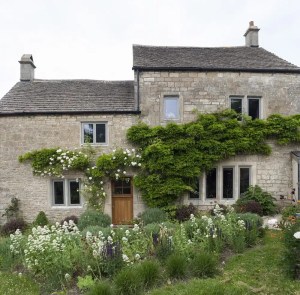
While symmetry creates classic appeal, deliberate asymmetry can work in contemporary design. Modern architecture often embraces irregular window placement for dramatic effect. However, this requires careful consideration to avoid appearing haphazard.
If pursuing asymmetry, ensure it follows its own logic, perhaps grouping windows in intentional clusters or creating rhythm through repeated patterns. Contemporary homes with slimline bifold doors or large sliding systems often balance their dramatic glazed walls with smaller punctuation windows elsewhere.
Practical Tips for Enhancing Curb Appeal
Design Principles:
- Mirror window placement across your entrance axis
- Maintain consistent head heights across elevations
- Stack windows vertically between floors
- Balance visual weight rather than exact matching
- Consider proportion relative to wall area
Common Mistakes to Avoid:
- Random spacing that lacks rhythm or pattern
- Mixing too many different window sizes
- Misaligned windows between floors
- Windows positioned too close to corners
- Inconsistent frame colours across the fa�ade
Extensions and Renovations
When adding extensions, respect the existing window rhythm of your original structure. New aluminium bifold doors or sliding systems should integrate thoughtfully rather than compete with established patterns. Similarly, when replacing windows, maintaining original proportions and spacing preserves architectural integrity even when upgrading materials.
Beautiful window placement isn’t just about individual windows. It’s about how they work together to create a cohesive, appealing whole.


